

B12 in My Plate – Why This Vitamin Matters More Than Ever
When we talk about a “balanced plate,” most of us think of carbs, proteins, fats, and maybe some colorful vegetables. But what about micronutrients – the tiny vitamins and minerals that keep our bodies running smoothly? Among them, Vitamin B12 (Cobalamin) is one of the most vital yet most neglected in India.
From blood formation to brain function, B12 plays a critical role. And yet, studies show that a large section of India’s population is deficient in this essential nutrient – often without realizing it.
📊 Recent Studies in India on Vitamin B12 Deficiency
- Corporate Employees: A 2025 survey showed that 57% of men and 50% of women in urban India are B12 deficient.
- Adolescents: A study in Haryana/NCR found that 32% of school children had deficiency, with rural kids worse off (≈44%).
- Children in Gujarat: The CNNS survey revealed that nearly half of adolescents (47.6%) were deficient in B12.
- General Population: Estimates suggest 50–70% of vegetarians and 40–50% of non-vegetarians in India have inadequate B12 levels.
Clearly, this is not a niche issue – it’s a silent epidemic.
🌈 Why Vitamins Matter – A Quick Refresher
- Vitamin A → Vision, skin & immunity
- Vitamin D → Bone strength, immune balance
- Vitamin E & K → Antioxidant defense, blood clotting
- Vitamin C → Collagen formation, immunity
- B-Complex (including B12) → Energy metabolism, nerve health, red blood cell production, DNA repair
Every vitamin has a role – and B12 is irreplaceable when it comes to nerve function and healthy blood.
✅ What Are Normal B12 Levels?
- Normal range: 200 – 900 pg/mL
- Borderline: 200 – 300 pg/mL
- Deficient: Below 200 pg/mL (some labs use <160 pg/mL)
- RDA (Recommended Daily Allowance): ~2.4 mcg/day for adults
🔍 Why Is India Facing B12 Deficiency?
🥘 Dietary Factors
- B12 is mostly found in animal foods (meat, fish, eggs, dairy).
- With India’s high vegetarian population, intake is naturally low.
- Even non-vegetarians often consume meat/fish infrequently.
🏥 Absorption Issues
- Gastritis, H. pylori infection, Crohn’s, celiac disease.
- Long-term use of medicines like metformin or acid-reducing drugs.
- Declining stomach acid with age.
👩👩👧 Social & Lifestyle Reasons
- Cultural/religious food restrictions.
- Limited awareness about B12 sources.
- Reliance on processed foods with low nutrient density.
- Lack of widespread food fortification.
⚠️ Physical Impacts of B12 Deficiency
| System | Impact |
|---|---|
| Blood | Megaloblastic anaemia → fatigue, weakness, paleness |
| Nerves | Tingling in hands/feet, memory issues, depression, balance problems |
| Children/Teens | Stunted growth, poor school performance, delayed development |
| Pregnancy | Risk of neural tube defects, poor fetal growth |
| Heart & Metabolism | Raised homocysteine → higher cardiac risk |
| Other | Glossitis (red tongue), appetite loss, mental fog |
Left untreated, nerve damage can even become irreversible.
🥛 Food First: Natural Sources of B12
📊 Comparison Chart – Veg vs Non-Veg Sources
| Food (Serving Size) | B12 Content (Approx.) | Notes |
|---|---|---|
| Milk (250 ml) | 0.9 mcg | ~40% of daily need |
| Curd (200 g) | 1.0 mcg | Easy to add daily |
| Paneer (100 g) | 0.8 mcg | Protein + B12 |
| Cheese (20 g slice) | 0.2 mcg | Limited, varies by type |
| Egg (1 large) | 0.6 mcg | Yolk richer than white |
| Chicken (100 g) | 0.3 mcg | Modest source |
| Lamb/Mutton (100 g) | 2.6 mcg | Higher than chicken |
| Fish – Salmon (100 g) | 4.0 mcg | Excellent source |
| Fish – Sardines (100 g) | 8.0 mcg | Very high, affordable |
| Tuna (100 g) | 10.0 mcg | Power-packed |
| Clams (100 g) | 80+ mcg | Richest natural source |
| Prawns (100 g) | 1.0–1.5 mcg | Coastal favorite |
👉 Vegetarians rely heavily on milk, paneer, curd, and fortified foods, while non-vegetarians get a big boost from fish, eggs, and meat.
💊 Supplements & OTC Options
When food alone isn’t enough, supplementation helps:
- Tablets & Syrups (OTC in India): Neurobion Plus, Nurokind, Becozym C Forte
- Dosage: 500–1500 mcg daily (for deficiency or maintenance)
- Methylcobalamin Tablets: 500–1500 mcg/day
- Sublingual Tablets: 1000 mcg/day for better absorption
- Injections: Cyanocobalamin or Hydroxocobalamin (1000 mcg weekly or monthly, prescribed by doctor)
⚠️ Always consult a physician before injections or high-dose therapy.
We’ve created Veg & Non-Veg 7-day diet plans with Indian meals to help readers incorporate B12 naturally.
🌟 Final Thoughts
Vitamin B12 deficiency is not just a “vegetarian problem” – it’s a public health issue in India cutting across age, income, and lifestyle. The good news: it is easily preventable and treatable with awareness, dietary planning, and timely supplementation.
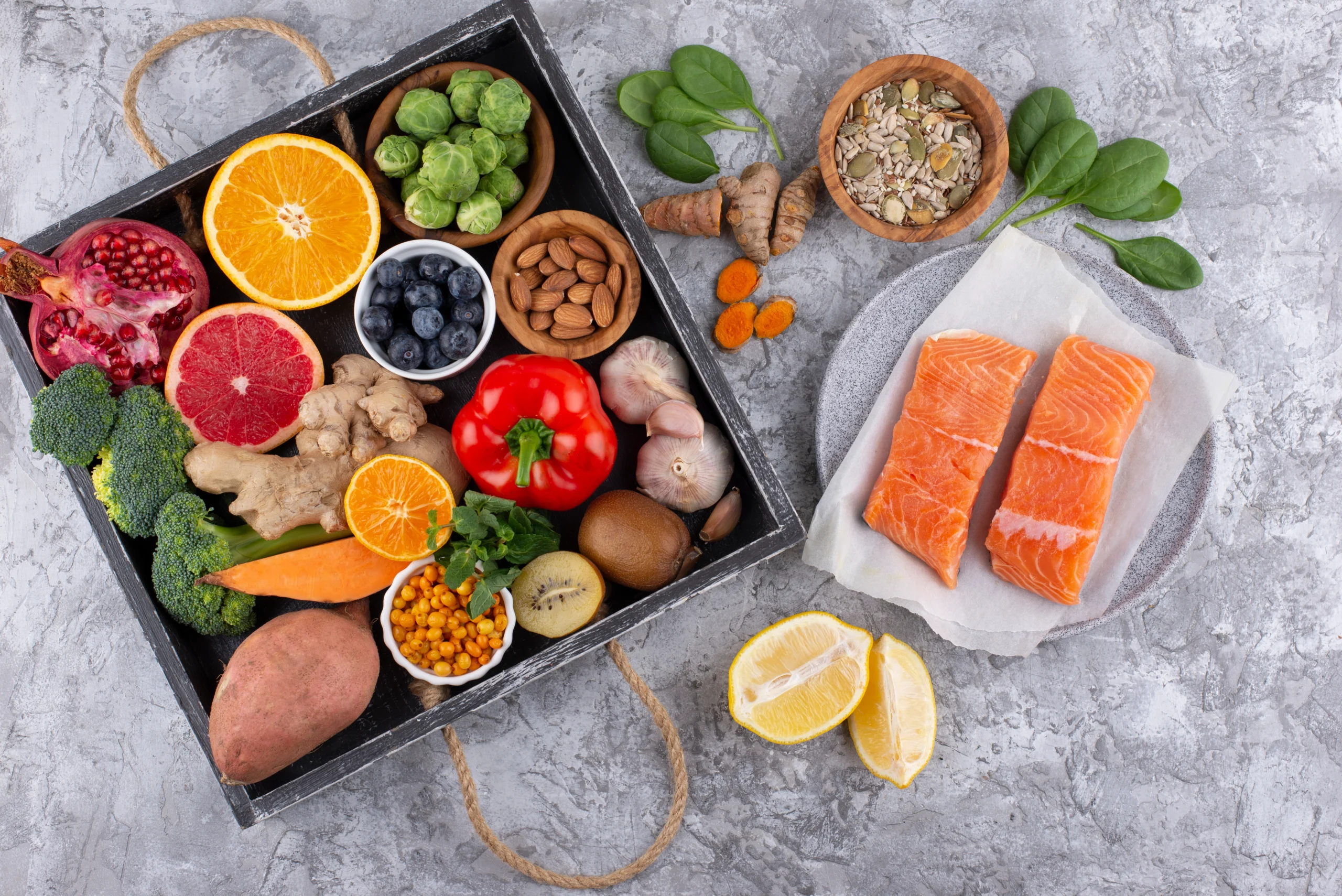
Next time you build your plate, remember: a glass of milk, a serving of paneer, an egg, or some fish can make all the difference to your energy, focus, and long-term health.