

Tip: Combine cereal + pulse (e.g., rice + dal, roti + chana) for a complete protein profile.
🧃 What Are Protein Supplements?
Protein supplements are concentrated sources of protein, typically in powder form — like:
- Whey Protein (from milk)
- Plant-Based Protein (pea, soy, rice)
- Casein Protein (slow-digesting, from milk)
These supplements provide 20–25g of protein per scoop, are easy to consume, and are quickly absorbed, making them a handy option for many.
🧐 Do You Need a Protein Supplement?
✅ You MAY need a supplement if:
- You are not able to meet your daily protein requirement through food
- You are a vegetarian or vegan with limited high-protein options
- You are working out regularly and want to build or preserve muscle
- You’re on a fat-loss journey and want to retain lean body mass
- You have a busy lifestyle and miss meals or eat on the go
❌ You likely DON’T need one if:
- You meet your daily protein needs through dal, paneer, eggs, chicken, curd, fish, and sprouts
- You are not physically active or not pursuing muscle-building or fat loss goals
- You eat 3–4 well-balanced meals with enough protein sources daily
 Common Indian Myths About Protein Supplements
❌ “Protein powder is a steroid.”
➡️ Fact: Protein is a food supplement, not a drug. It’s like dried milk powder with higher protein content. Steroids are hormones — completely different.
❌ “It will harm my kidneys.”
➡️ Fact: A high-protein diet is safe for healthy people. If you already have kidney issues, consult a doctor before increasing protein intake.
❌ “I’ll get bulky.”
➡️ Fact: Building muscle takes time, effort, and heavy training. Simply taking protein will not make you bulky — it supports fat loss and a toned look.
🥤 Best Practices If You Decide to Use Protein Supplements
- Choose trusted Indian or international brands (check for FSSAI approval)
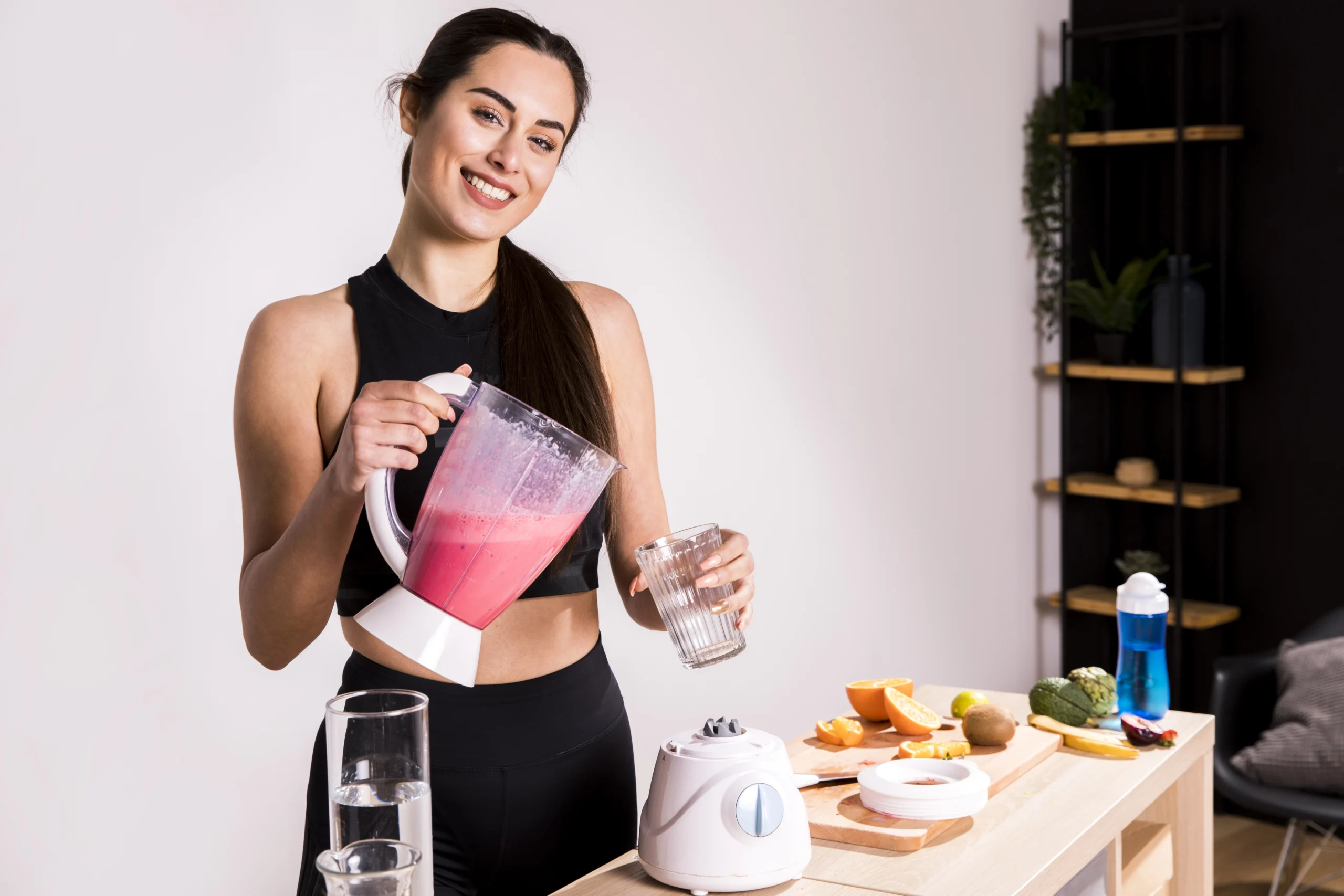
- Start with half or one scoop daily, ideally post-workout or between meals
- Don’t rely entirely on supplements — they should supplement, not replace, your meals
- Hydrate well and eat balanced meals along with your shake
💬 Real-Life Indian Example
👩💼 Neha, a 35-year-old working professional in Mumbai, started her fat loss journey. She had:
- Little time to cook
- Low protein intake from her vegetarian diet
- Started walking 7,000 steps/day and doing yoga
Her nutritionist suggested adding 1 scoop of plant-based protein post-workout. In 3 months:
- She felt less fatigued
- Lost 4 kg fat (with strength preserved)
- And her hair fall even reduced due to better nutrition
🏁 Final Thoughts
Protein supplements are not magic powders. But when used wisely, they can be an excellent tool for those trying to:
- Lose fat
- Build muscle
- Improve strength and recovery
- Meet protein goals in a vegetarian or busy lifestyle
📌 So ask yourself:
Can I meet my protein needs from food?
If yes, great!
If not, protein supplements can help you reach your goals faster — and smarter.