


About Author
Mr. Sunil Chacko
Long Distance Cyclist
Currently serving as President at Wardwizard Innovations & Mobility Ltd., he is not only a seasoned business leader with over two decades of experience across
prestigious organizations like SESA-Seat, Sterling Resorts, HughesTele, MNYL, ING Life, TATA AIA, and Edelweiss Life, but also a dedicated fitness enthusiast and long-distance cyclist. Sunil has successfully blended his passion for cycling with his professional journey, inspiring employees and peers alike to embrace wellness and endurance sports.His blogs, shared in collaboration with PrognoHealth, reflect real-world experiences and practical tips for beginners and seasoned riders alike.
Read More
Preparing for 20–30 km Rides !
Once you’ve built a solid foundation with short rides (10–15 km), you might be ready to push further — toward the 20–30 km milestone. This range is a sweet spot for building endurance, burning calories, and improving cardiovascular health without overexertion.
But longer rides require a bit more planning — especially around what you eat, how you hydrate, your gear setup, and how you recover. Let’s break it all down. 💪
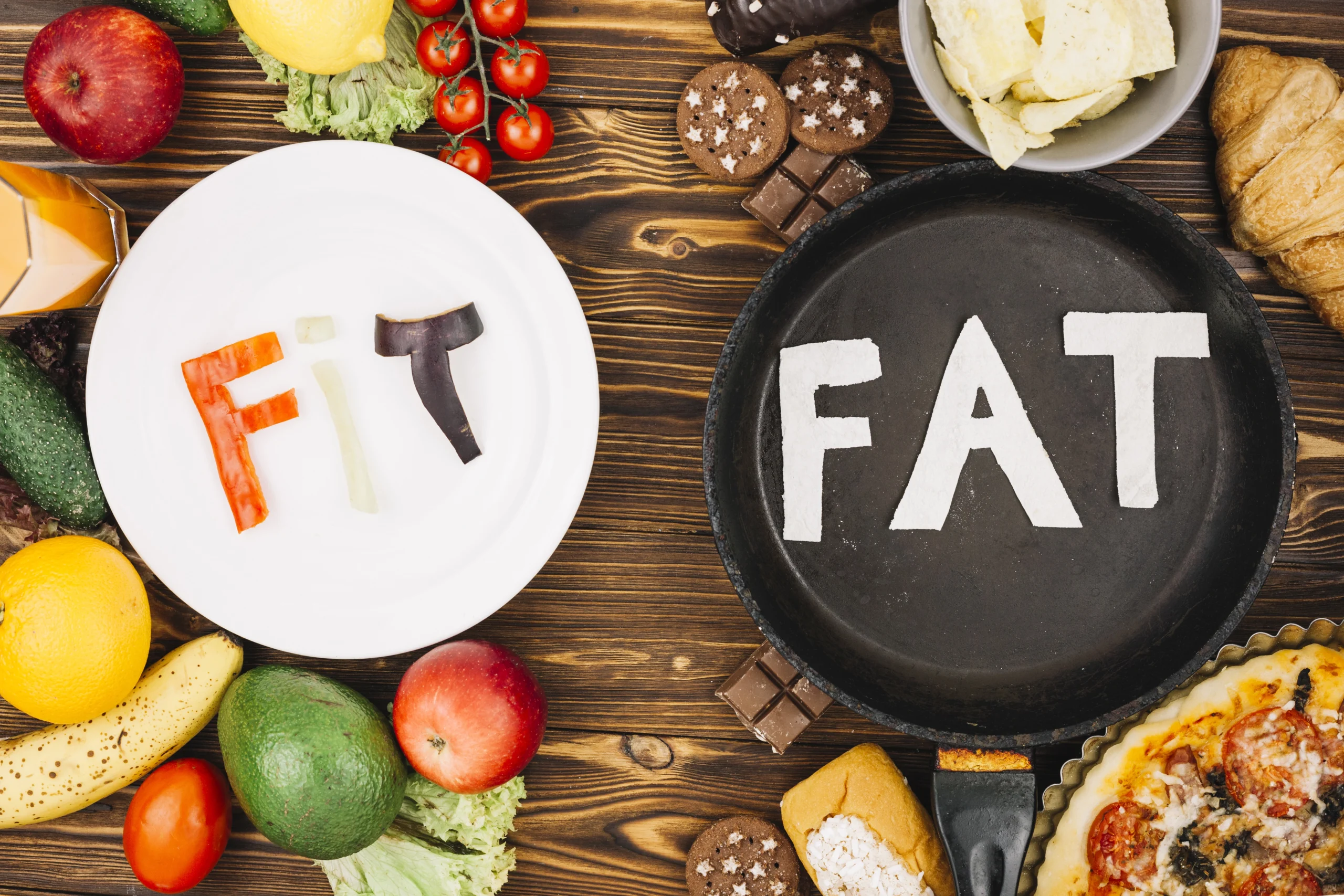
🍌 Pre-Ride Nutrition: Fuel Up the Right Way
The goal is to give your body steady energy throughout the ride without feeling heavy or bloated.
✅ What to Eat (45–60 mins before ride)
- Carbohydrates + Light Protein for sustained energy
- Examples:
- Banana with a spoon of peanut butter
- Oats with nuts/seeds
- Idli with a small bowl of sambar
- A slice of toast with honey and boiled egg
❌ Avoid:
- Greasy, fried food
- High-sugar snacks
- Too much fiber or dairy (can upset your stomach mid-ride)
💧 Hydration Strategy: Don’t Just Drink When Thirsty
✅ Pre-Ride
- 1–2 glasses of water 30 minutes before the ride
- Add a pinch of salt and lemon if it’s hot or humid
✅ During Ride
- For rides longer than 45 minutes, sip water every 15–20 minutes
- Carry a water bottle on your bike or a hydration backpack
✅ For Sweaty Riders or Hot Days
- Consider electrolyte drinks like ORS, Enerzal, or coconut water
🛠️ Gear Essentials for Longer Rides
Longer rides demand a bit more preparation:
✅ Basic Gear Checklist:
- Helmet (non-negotiable)
- Comfortable padded shorts or saddle cover
- Gloves (reduces hand fatigue)
- Cycling glasses (dust, wind, bugs)
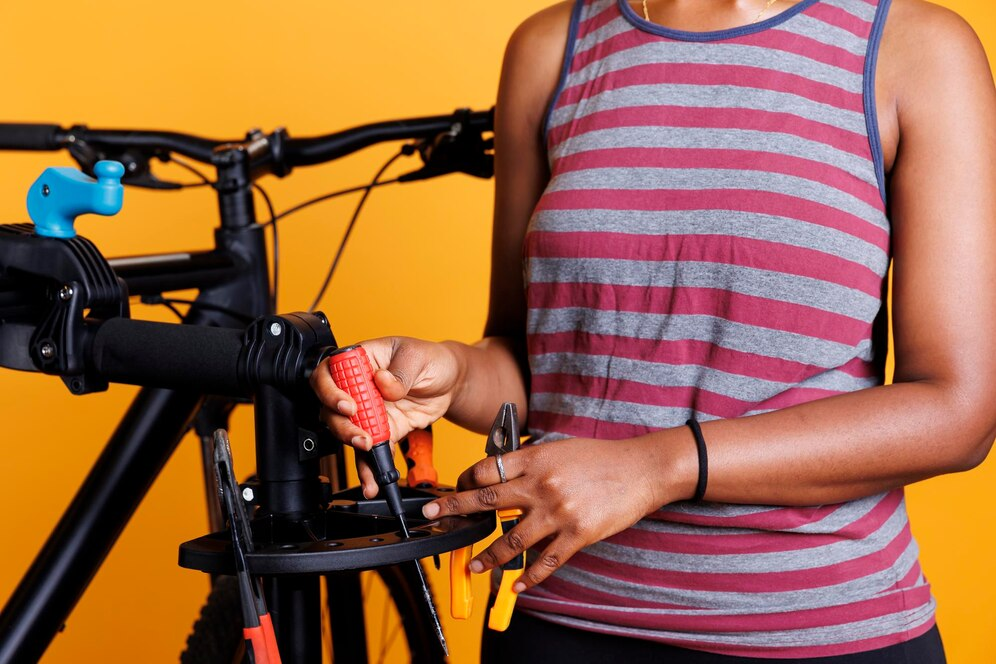
- Repair kit: spare tube, tire levers, mini pump
- Phone holder & lights (especially if you start early or end after sunset)
Optional Add-ons: Cycling jersey with back pockets, GPS tracker, energy bars
🧘♂️ Post-Ride Recovery: What You Do After Matters
You’ve pushed your limits. Now it’s time to help your body bounce back.
✅ Cool Down
- 5–10 mins of light cycling or walking to lower your heart rate
- Gentle stretching for hamstrings, calves, quads, and back
✅ Post-Ride Meal (within 30–45 mins)
- Replenish glycogen (carbs) + repair muscles (protein)
Quick Meal Options:
- Paneer or tofu sandwich + fruit
- Moong dal chilla + coconut chutney
- Boiled eggs + banana + curd
- Rice + dal + sautéed vegetables
✅ Sleep & Recovery
- Aim for 7–8 hours of sleep — this is when your muscles heal!
- A warm shower or Epsom salt foot soak can help ease soreness
🧠 Mental Tips for Pushing Through 20–30 km
- Break it into parts: Focus on “next 5 km” rather than the full 30
- Music or podcast: Keeps your mind engaged
- Ride with a buddy: Motivation + accountability
- Use visual cues: Plan small checkpoints or breaks
⚠️ Watch for These Signs on Long Rides
- Fatigue or dizziness: Time to stop, hydrate, and eat something
- Numbness or tingling: Check bike fit or handlebar height
- Knee or lower back pain: Don’t ignore — stretch and consider a bike fit assessment
📈 Pro Tip: Log Your Progress!
Use apps like Strava, Komoot, or Google Fit to:
- Track distance, time, and elevation
- See improvements over weeks
- Stay motivated by setting personal records (PRs)
🎯 What’s Next?
Once you’re comfortably riding 25–30 km, you can start aiming for 50 km weekend rides or consider joining organized group rides in your city.
Next Blog in the Series:
🚴♂️ “Training for 50 km+ Rides: Endurance, Cross-Training, and Climbing Techniques”