



Apolipoprotein A-I (Apo A-I) Test
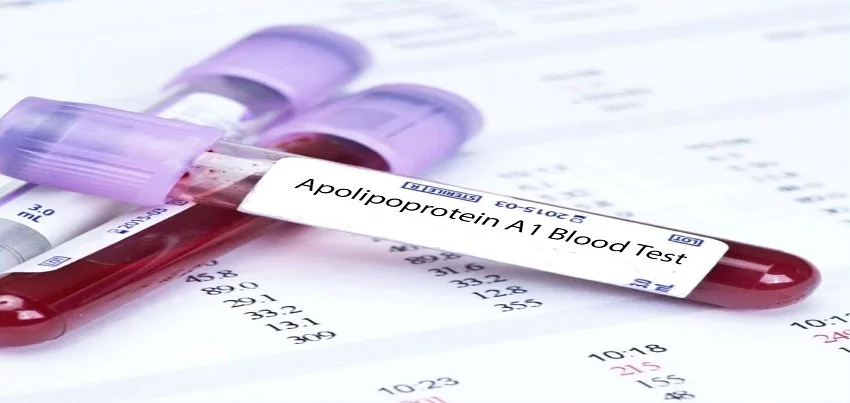
Apolipoprotein A-I (Apo A-I) is a protein that is a major component of high-density lipoprotein (HDL) cholesterol, often referred to as “good” cholesterol. The Apo A-I test is used to measure the level of Apo A-I in the blood, which can help assess the risk of heart disease.
Pre-test preparation:
No special preparation is usually required for an Apo A-I test.
Testing method:
A blood sample is taken and sent to a laboratory for analysis.
Common symptoms that may prompt a healthcare provider to prescribe an Apo A-I test include:
- Chest pain or pressure
- Shortness of breath
- Fatigue
- Numbness or weakness in the arms or legs
- Swelling in the legs or feet
Diagnosis:
Low levels of Apo A-I in the blood can be a sign of an increased risk of heart disease.
High levels of Apo A-I in the blood can indicate a healthy cardiovascular system.
Reference range:
Normal values for Apo A-I levels in the blood vary depending on the laboratory, but generally range from 80 to 120 milligrams per deciliter (mg/dL).
It’s important to note that the test results should be interpreted in the context of the patient’s clinical presentation and other test results. A single test result should not be used as the sole basis for diagnosis and treatment decisions. A qualified healthcare professional should interpret the test results and give you a proper diagnosis.