




Pregnancy-associated plasma protein A (PAPP-A) Test
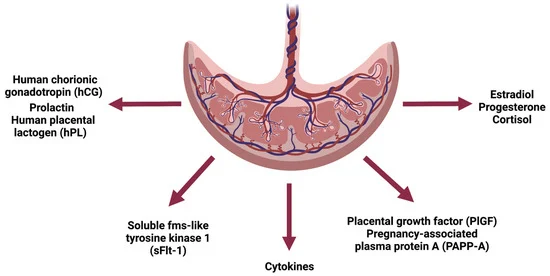
Pregnancy-associated plasma protein A (PAPP-A) is a protein that is produced by the placenta during pregnancy. The PAPP-A test is a blood test that measures the level of PAPP-A in a pregnant woman’s blood.
Pre-test preparation: There is no specific pre-test preparation required for the PAPP-A test. The test is typically done between 11 and 13 weeks of pregnancy, usually at the same time as a nuchal translucency ultrasound.
Common symptoms: That may lead a healthcare provider to prescribe a PAPP-A test include being pregnant and being over the age of 35. PAPP-A test is done as a part of a combined first-trimester screening test along with nuchal translucency ultrasound and beta-human chorionic gonadotropin (beta-hCG) to screen for Down syndrome and other chromosomal abnormalities.
Diagnosis: The test is used to assess the risk of chromosomal abnormalities such as Down syndrome, trisomy 18 and 13. Low levels of PAPP-A can indicate an increased risk of chromosomal abnormalities, while high levels may indicate a lower risk.
Reference range: The reference range for PAPP-A levels varies depending on the lab that is performing the analysis. However, it is important to consult a healthcare professional for proper interpretation of the results, as other factors such as maternal age, weight, and previous pregnancy history can also affect the risk assessment.
Medical disclaimer: It’s important to note that the PAPP-A test is not diagnostic, it is only a screening test and it should be used in conjunction with other prenatal screening tests such as nuchal translucency ultrasound and beta-human chorionic gonadotropin (beta-hCG) to assess the risk of chromosomal abnormalities. Additionally, a positive screening test does not confirm the presence of chromosomal abnormalities, it only indicates that there is an increased risk and a diagnostic test such as chorionic villus sampling (CVS) or amniocentesis is needed for a definitive diagnosis.