Sign-In

Your Cart

Create Your Account

Bleeding Time, Clotting Time

Fasting

Not Required

Age Group

All Ages

Gender

Male, Female

Get Reports

Same day

Mode of Test

Home Collection, Center Visit

Test Includes

Bleeding time is a test used to determine how quickly your blood clots to stop you from bleeding. The test is a basic assessment of how well your blood platelets work to form clots. The test helps identify people who have defects in their platelet function. This is the ability of blood to clot following a wound or trauma. Normally, platelets interact with the walls of blood vessels to cause a blood clot. There are many factors in the clotting mechanism, and they are initiated by platelets. The bleeding time test is usually used on patients who have a history of prolonged bleeding after cuts, or who have a family history of bleeding disorders. Also, the bleeding time test is sometimes performed as a preoperative test to determine a patient's likely bleeding response during and after surgery. However, in patients with no history of bleeding problems, or who are not taking anti-inflammatory drugs, the bleeding time test is not usually necessary. Clotting tests (CT) are used to diagnose and assess bleeding problems. This simple test has been used to diagnose hemophilia, but it does not detect mild coagulation disorders. Its chief application is in monitoring anticoagulant therapy. It is rarely used in clinical practice. Also called coagulation time.
Bleeding Time, Clotting Time

Are you looking for a Bleeding Time, Clotting Time ?

Bleeding time is a test used to determine how quickly your blood clots to stop you from bleeding. The test is a basic assessment of how well your blood platelets work to form clots. The test helps identify people who have defects in their platelet function. This is the ability of blood to clot following a wound or trauma. Normally, platelets interact with the walls of blood vessels to cause a blood clot. There are many factors in the clotting mechanism, and they are initiated by platelets. The bleeding time test is usually used on patients who have a history of prolonged bleeding after cuts, or who have a family history of bleeding disorders. Also, the bleeding time test is sometimes performed as a preoperative test to determine a patient's likely bleeding response during and after surgery. However, in patients with no history of bleeding problems, or who are not taking anti-inflammatory drugs, the bleeding time test is not usually necessary. Clotting tests (CT) are used to diagnose and assess bleeding problems. This simple test has been used to diagnose hemophilia, but it does not detect mild coagulation disorders. Its chief application is in monitoring anticoagulant therapy. It is rarely used in clinical practice. Also called coagulation time.

Thrombocytopenia,Disseminated Intravascular Coagulation
Thrombocytopenia-Excessive Bruising, Prolonged bleeding, Spontaneous bleeding from your gums, Blood in urine or stools, Unusually heavy menstrual flow. Disseminated Intravascular Coagulation-Chest pain, Shortness of Breath, Pain,Redness, Warmth, Swelling, Headache, Speech Changes, Paralysis, Bleeding.

Related Blogs

blogs/OsddWJSlRk3lOgEzTLxm8NnV32IRsKmHKhmiXWBW.webp
Diet & Nutrition

11 Health Benefits of Eating Honey !!!

blogs/hyJuPvj9mDx3ZmBoG0kyekBt8Hdnrrwm8M8tU90O.webp
Diet & Nutrition

RAISINS

blogs/zCFnRNyBE4mN7ziguO92BbjvMeKEtNkIZRMGY0LT.webp
Diet & Nutrition

Why you should never miss your Breakfast

Our Facilities

HONEST PRICING

Transparent rates across India

EMPANELLED DOCTORS

Professional consultation

ACCURACY GUARANTEED

Money back guarantee on accuracy

RAPID REPORT DISPATCH

Swift online access

Our Technologies

Photo

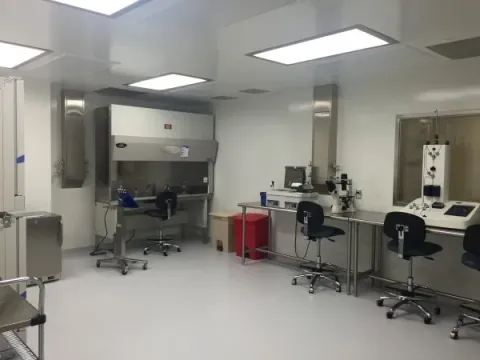
We have deep analytical control on all our labs and insist them to follow NABL guidelines.

Photo

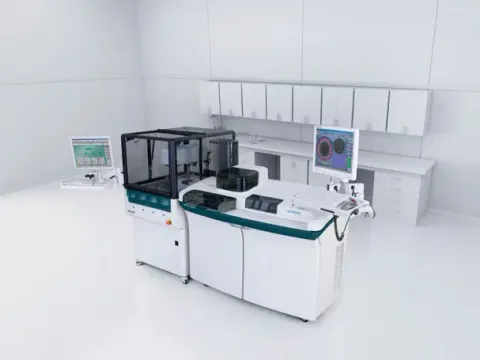
All of our labs are fully automated, equipped with internationally renowned machines.

Photo

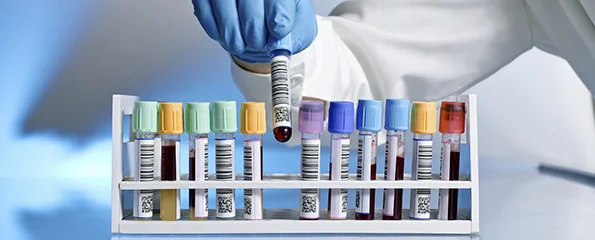
We are at par with the medical tech-driven advances.

Photo

Our labs follow more than 150 international quality operating procedures for sampling.

Why Choose Us

Assured Safety
NABL & NABH Labs & Hospitals
Free Sample Pick
Accurate Reports