Sign-In

Your Cart

Create Your Account

Glycosylated Hb (Hba1c)

Fasting

Not Required

Age Group

All Ages

Gender

Male, Female

Get Reports

1day

Mode of Test

Home Collection, Center Visit

Test Includes

The hemoglobin A1c test, also called HbA1c, glycated hemoglobin test, or glycohemoglobin, is an important blood test that shows how well your diabetes is being controlled. Formation of Glycosylated hemoglobin is essentially irreversible and the blood levels depend on both the life span of red blood cell (average 120 days) and blood glucose concentration. Once glucose attaches to haemoglobin, it doesn't let it go. It's there for the lifetime of the red blood cell, which, in total is several months as new red blood cells are continually being made and others are dying. All this means that a glycohemoglobin test shows your average blood glucose level over the previous 6-8 weeks. It is therefore called a test with memory. Therefore, they represent integrated values for glucose over the preceding six to eight weeks. Increased synthesis of haemoglobin A1c correlates with lack of glucose control; in diabetics with good glucose control, the amount of Haemoglobin A1c returns to the reference levels. The HbA1c test should be done every three to six months, depending on the treatment program and level of control of diabetes.The ADA recommends that the HbA1c level first are measured at the time of diagnosis and initiation of treatment. Thereafter, the test should be done at least twice a year in people with non-insulin-dependent (type II) diabetes who do not use insulin; four times a year in people with insulin-dependent (type I) diabetes or those with type II diabetes who use insulin.
Glycosylated Hb (Hba1c)

Are you looking for a Glycosylated Hb (Hba1c) ?

The hemoglobin A1c test, also called HbA1c, glycated hemoglobin test, or glycohemoglobin, is an important blood test that shows how well your diabetes is being controlled. Formation of Glycosylated hemoglobin is essentially irreversible and the blood levels depend on both the life span of red blood cell (average 120 days) and blood glucose concentration. Once glucose attaches to haemoglobin, it doesn't let it go. It's there for the lifetime of the red blood cell, which, in total is several months as new red blood cells are continually being made and others are dying. All this means that a glycohemoglobin test shows your average blood glucose level over the previous 6-8 weeks. It is therefore called a test with memory. Therefore, they represent integrated values for glucose over the preceding six to eight weeks. Increased synthesis of haemoglobin A1c correlates with lack of glucose control; in diabetics with good glucose control, the amount of Haemoglobin A1c returns to the reference levels. The HbA1c test should be done every three to six months, depending on the treatment program and level of control of diabetes.The ADA recommends that the HbA1c level first are measured at the time of diagnosis and initiation of treatment. Thereafter, the test should be done at least twice a year in people with non-insulin-dependent (type II) diabetes who do not use insulin; four times a year in people with insulin-dependent (type I) diabetes or those with type II diabetes who use insulin.

Diabetes
Diabetes-Excessive thirst, increase urination, fatique, weight loss, blurred vision, slow healing of cuts and wounds .

Related Blogs

blogs/OsddWJSlRk3lOgEzTLxm8NnV32IRsKmHKhmiXWBW.webp
Diet & Nutrition

11 Health Benefits of Eating Honey !!!

blogs/hyJuPvj9mDx3ZmBoG0kyekBt8Hdnrrwm8M8tU90O.webp
Diet & Nutrition

RAISINS

blogs/zCFnRNyBE4mN7ziguO92BbjvMeKEtNkIZRMGY0LT.webp
Diet & Nutrition

Why you should never miss your Breakfast

Our Facilities

HONEST PRICING

Transparent rates across India

EMPANELLED DOCTORS

Professional consultation

ACCURACY GUARANTEED

Money back guarantee on accuracy

RAPID REPORT DISPATCH

Swift online access

Our Technologies

Photo

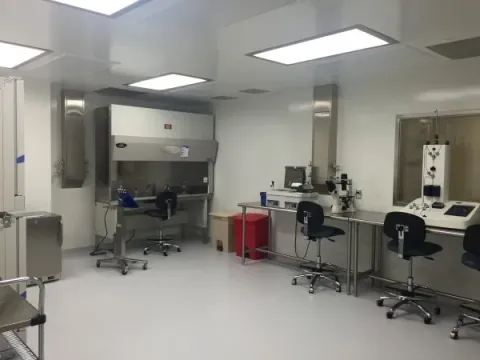
We have deep analytical control on all our labs and insist them to follow NABL guidelines.

Photo

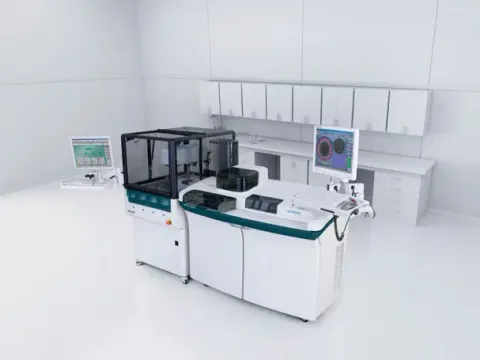
All of our labs are fully automated, equipped with internationally renowned machines.

Photo

We are at par with the medical tech-driven advances.

Photo

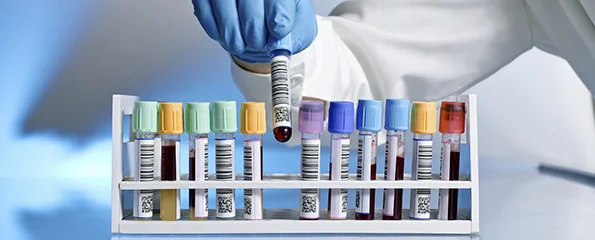
Our labs follow more than 150 international quality operating procedures for sampling.

Why Choose Us

Assured Safety
NABL & NABH Labs & Hospitals
Free Sample Pick
Accurate Reports