Sign-In

Your Cart

Create Your Account

Herpes Simplex Virus II (HSV)-IgG

Fasting

Not Required

Age Group

All Ages

Gender

Male, Female

Get Reports

1 Day

Mode of Test

Home Collection, Center Visit

Test Includes

HSV testing is used to detect the presence of the herpes simplex virus (HSV). Herpes simplex virus [HSV] II IGG indicates chronic infection. This test is done when the patient has symptoms of an infection with the herpes simplex virus, such as blisters in the genital area, mucous membranes or the brain. Herpes simplex virus or HSV (family Herpesviridae) is a contagious virus that infects humans. Herpes is caused by two strains of the herpes simplex virus, type 1 (HSV-1) and type 2 (HSV-2). HSV-2 is more common and usually manifests itself in the genital and anal area. HSV is very contagious and is transmitted through contact with an infected person who produces it and sheds the virus. It can be spread by direct contact with sores and sometimes by contact with the oral and genital areas of people with chronic HSV infection, who are between episodes of sores. Infection with the herpes virus is categorized by distinct disorders based on the site of infection such as infection of the face, throat, and mouth, hands, eye, the central nervous system, brain, buttocks or anal area and the genitals. Reactivation of a latent oral or genital HSV infection may be triggered by a fever, menstruation, emotional stress, or suppression of the immune system (for example, by a drug taken to prevent rejection of an organ transplant). An episode of the HSV infection can develop after physical trauma, such as a dental procedure or overexposure of the lips to sunlight. Often, the trigger is unknown. Once infected, the virus remains in the body for life.
Herpes Simplex Virus II (HSV)-IgG

Are you looking for a Herpes Simplex Virus II (HSV)-IgG ?

HSV testing is used to detect the presence of the herpes simplex virus (HSV). Herpes simplex virus [HSV] II IGG indicates chronic infection. This test is done when the patient has symptoms of an infection with the herpes simplex virus, such as blisters in the genital area, mucous membranes or the brain. Herpes simplex virus or HSV (family Herpesviridae) is a contagious virus that infects humans. Herpes is caused by two strains of the herpes simplex virus, type 1 (HSV-1) and type 2 (HSV-2). HSV-2 is more common and usually manifests itself in the genital and anal area. HSV is very contagious and is transmitted through contact with an infected person who produces it and sheds the virus. It can be spread by direct contact with sores and sometimes by contact with the oral and genital areas of people with chronic HSV infection, who are between episodes of sores. Infection with the herpes virus is categorized by distinct disorders based on the site of infection such as infection of the face, throat, and mouth, hands, eye, the central nervous system, brain, buttocks or anal area and the genitals. Reactivation of a latent oral or genital HSV infection may be triggered by a fever, menstruation, emotional stress, or suppression of the immune system (for example, by a drug taken to prevent rejection of an organ transplant). An episode of the HSV infection can develop after physical trauma, such as a dental procedure or overexposure of the lips to sunlight. Often, the trigger is unknown. Once infected, the virus remains in the body for life.

Herpes
Multiple blisters on or around affected areas - usually the mouth, genitals, or rectum,Fever ,Genital Lesion,Mouth sores.

Related Blogs

blogs/OsddWJSlRk3lOgEzTLxm8NnV32IRsKmHKhmiXWBW.webp
Diet & Nutrition

11 Health Benefits of Eating Honey !!!

blogs/hyJuPvj9mDx3ZmBoG0kyekBt8Hdnrrwm8M8tU90O.webp
Diet & Nutrition

RAISINS

blogs/zCFnRNyBE4mN7ziguO92BbjvMeKEtNkIZRMGY0LT.webp
Diet & Nutrition

Why you should never miss your Breakfast

Our Facilities

HONEST PRICING

Transparent rates across India

EMPANELLED DOCTORS

Professional consultation

ACCURACY GUARANTEED

Money back guarantee on accuracy

RAPID REPORT DISPATCH

Swift online access

Our Technologies

Photo

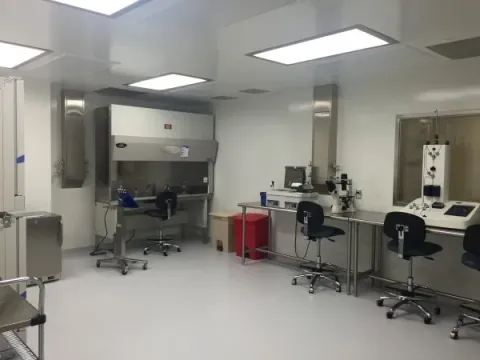
We have deep analytical control on all our labs and insist them to follow NABL guidelines.

Photo

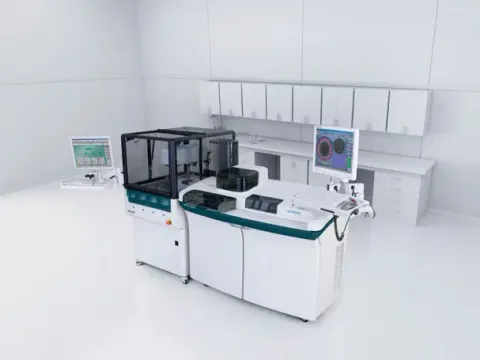
All of our labs are fully automated, equipped with internationally renowned machines.

Photo

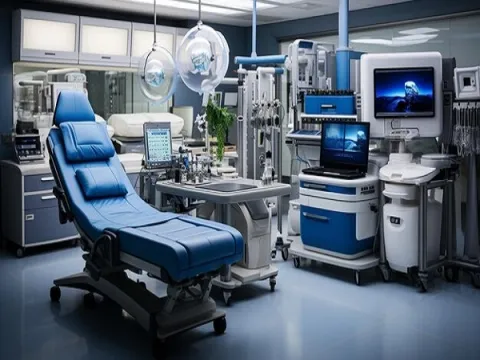
We are at par with the medical tech-driven advances.

Photo

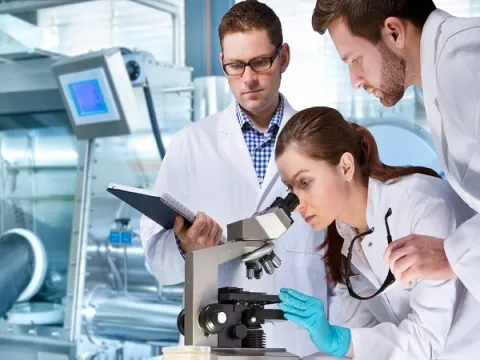
Our labs follow more than 150 international quality operating procedures for sampling.

Why Choose Us

Assured Safety
NABL & NABH Labs & Hospitals
Free Sample Pick
Accurate Reports