Sign-In

Your Cart

Create Your Account

Potassium

Fasting

Not Required

Age Group

All Ages

Gender

Male, Female

Get Reports

1 Day

Mode of Test

Home Collection, Center Visit

Test Includes

A potassium test is used to measure the amount of potassium in your blood. It is used to detect concentrations that are too high (hyperkalemia) or too low (hypokalemia). High serum potassium (hyperkalemia) occurs at potassium levels above 5.0 mM; it is considered severe over 8.0 mM. Hyperkalemia is relatively uncommon, but sometimes occurs in patients with kidney failure who take potassium supplements. Hyperkalemia can result in abnormal beating of the heart (cardiac arrhythmias). Low serum potassium (hypokalemia) occurs when serum potassium falls below 3.0 mM. It can result from low dietary potassium, as during starvation or in patients with anorexia nervosa; from excessive losses via the kidneys, as caused by diuretic drugs; or by diseases of the adrenal or pituitary glands. Mild hypokalemia causes muscle weakness, while severe hypokalemia can cause paralysis, the inability to breathe, and cardiac arrhythmias.The most common cause of hyperkalemia is kidney disease. Hypokalemia can occur if someone has diarrhea and vomiting or if is sweating excessively. It is a part of electrolyte panel. This test is usually ordered together with other electrolytes to get the better picture of underlying disorder.
Potassium

Are you looking for a Potassium ?

A potassium test is used to measure the amount of potassium in your blood. It is used to detect concentrations that are too high (hyperkalemia) or too low (hypokalemia). High serum potassium (hyperkalemia) occurs at potassium levels above 5.0 mM; it is considered severe over 8.0 mM. Hyperkalemia is relatively uncommon, but sometimes occurs in patients with kidney failure who take potassium supplements. Hyperkalemia can result in abnormal beating of the heart (cardiac arrhythmias). Low serum potassium (hypokalemia) occurs when serum potassium falls below 3.0 mM. It can result from low dietary potassium, as during starvation or in patients with anorexia nervosa; from excessive losses via the kidneys, as caused by diuretic drugs; or by diseases of the adrenal or pituitary glands. Mild hypokalemia causes muscle weakness, while severe hypokalemia can cause paralysis, the inability to breathe, and cardiac arrhythmias.The most common cause of hyperkalemia is kidney disease. Hypokalemia can occur if someone has diarrhea and vomiting or if is sweating excessively. It is a part of electrolyte panel. This test is usually ordered together with other electrolytes to get the better picture of underlying disorder.

Kidney Disease
Kidney disease-Nausea, Vomiting, loss of appetite, sleep problem, changes in urine output, swelling of feet. Liver disease-Abdominal pain, swelling in legs, Dark urine color, eyes and skin appears yellow, nausea, fatique, diarrhea, clubbed fingers.

Related Blogs

blogs/OsddWJSlRk3lOgEzTLxm8NnV32IRsKmHKhmiXWBW.webp
Diet & Nutrition

11 Health Benefits of Eating Honey !!!

blogs/hyJuPvj9mDx3ZmBoG0kyekBt8Hdnrrwm8M8tU90O.webp
Diet & Nutrition

RAISINS

blogs/zCFnRNyBE4mN7ziguO92BbjvMeKEtNkIZRMGY0LT.webp
Diet & Nutrition

Why you should never miss your Breakfast

Our Facilities

HONEST PRICING

Transparent rates across India

EMPANELLED DOCTORS

Professional consultation

ACCURACY GUARANTEED

Money back guarantee on accuracy

RAPID REPORT DISPATCH

Swift online access

Our Technologies

Photo

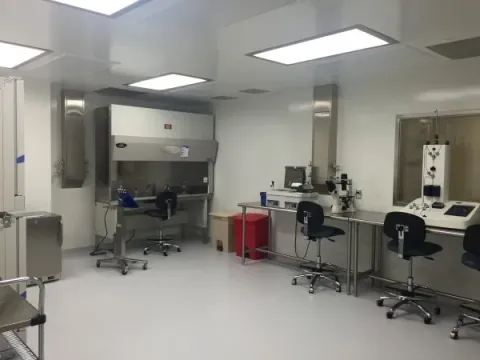
We have deep analytical control on all our labs and insist them to follow NABL guidelines.

Photo

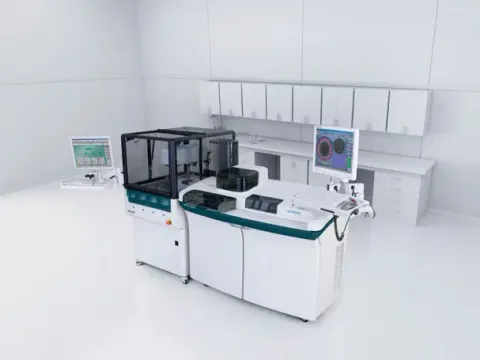
All of our labs are fully automated, equipped with internationally renowned machines.

Photo

We are at par with the medical tech-driven advances.

Photo

Our labs follow more than 150 international quality operating procedures for sampling.

Why Choose Us

Assured Safety
NABL & NABH Labs & Hospitals
Free Sample Pick
Accurate Reports