Sign-In

Your Cart

Create Your Account

Pregnancy associated Plasma Protein A

Fasting

Not Required

Age Group

All Ages

Gender

Female

Get Reports

3-5 Days

Mode of Test

Home Collection, Center Visit

Test Includes

PAPP-A - a protein that is measured in a blood test to determine the chance of having a baby with birth defects. PAPPA has been used in prenatal genetic screening and studies of atherosclerosis. Women with low blood levels of PAPPA at 8 to 14 weeks of gestation have an increased risk of intrauterine growth restriction, trisomy 21, premature delivery, preeclampsia, and stillbirth. PAPPA is present in unstable atherosclerotic plaques, and circulating levels are elevated in acute coronary syndromes which may reflect the instability of the plaques. PAPPA may be a marker of unstable angina and acute myocardial infarction (heart attack).
Pregnancy associated Plasma Protein A

Are you looking for a Pregnancy associated Plasma Protein A ?

PAPP-A - a protein that is measured in a blood test to determine the chance of having a baby with birth defects. PAPPA has been used in prenatal genetic screening and studies of atherosclerosis. Women with low blood levels of PAPPA at 8 to 14 weeks of gestation have an increased risk of intrauterine growth restriction, trisomy 21, premature delivery, preeclampsia, and stillbirth. PAPPA is present in unstable atherosclerotic plaques, and circulating levels are elevated in acute coronary syndromes which may reflect the instability of the plaques. PAPPA may be a marker of unstable angina and acute myocardial infarction (heart attack).

Down syndrome (trisomy 21) or Edwards syndrome (trisomy 18). 
Down syndrome-Decreased Muscle tone, Short neck, Small head, ear and mouth, Upward slanting eyes, White spots on the coloured part of the eyes, Wide short hands with short fingers, Single deep crease across the palm of hands. Edward Syndrome-Small abnormally shaped head, Small jaw and mouth, low set ears, Smooth rocker bottom feet, Heart and kidney problem, Breathing Problems, Bone abnormalities such as curved spine, Frequent infection of the lungs, severe learning disabilities.

Related Blogs

blogs/OsddWJSlRk3lOgEzTLxm8NnV32IRsKmHKhmiXWBW.webp
Diet & Nutrition

11 Health Benefits of Eating Honey !!!

blogs/hyJuPvj9mDx3ZmBoG0kyekBt8Hdnrrwm8M8tU90O.webp
Diet & Nutrition

RAISINS

blogs/zCFnRNyBE4mN7ziguO92BbjvMeKEtNkIZRMGY0LT.webp
Diet & Nutrition

Why you should never miss your Breakfast

Our Facilities

HONEST PRICING

Transparent rates across India

EMPANELLED DOCTORS

Professional consultation

ACCURACY GUARANTEED

Money back guarantee on accuracy

RAPID REPORT DISPATCH

Swift online access

Our Technologies

Photo

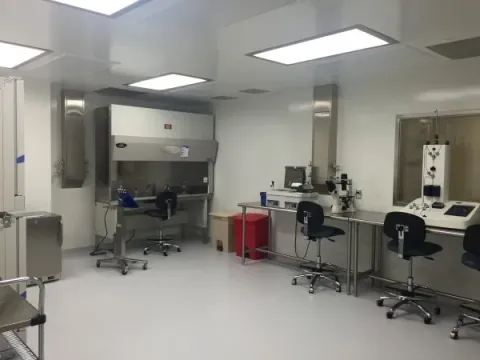
We have deep analytical control on all our labs and insist them to follow NABL guidelines.

Photo

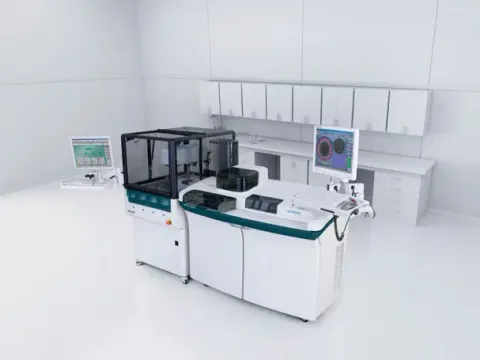
All of our labs are fully automated, equipped with internationally renowned machines.

Photo

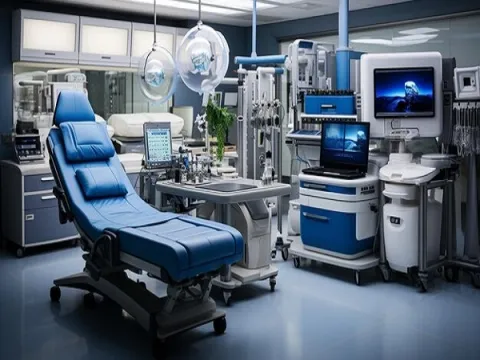
We are at par with the medical tech-driven advances.

Photo

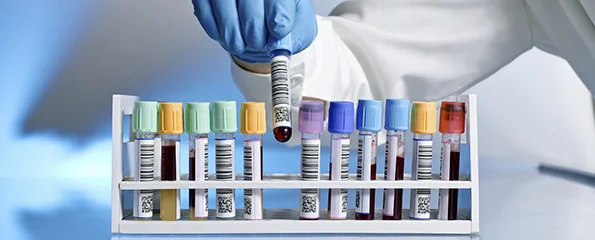
Our labs follow more than 150 international quality operating procedures for sampling.

Why Choose Us

Assured Safety
NABL & NABH Labs & Hospitals
Free Sample Pick
Accurate Reports