Sign-In

Your Cart

Create Your Account

Quadruple Test

Fasting

Not Required

Age Group

All Ages

Gender

Female

Get Reports

3-5 Days

Mode of Test

Home Collection, Center Visit

Test Includes

The quad screen (sometimes referred to as the quadruple screen, AFP4, or multiple marker) is a blood test that can tell you whether your baby is at an increased risk for certain problems. The conditions it screens for are Down syndrome and trisomy 18, which are chromosomal abnormalities, as well as neural tube defects, such as spina bifida. The quad screen is done in the second trimester, usually between 15 and 18 weeks of pregnancy. Ideally, the test should be performed in conjunction with first-trimester screening tests. This combination is known as integrated or sequential screening. But if you miss the opportunity to start your screening in the first trimester, the quad screen alone can still give you some good information. These screening tests help you assess your baby's chances of having certain genetic diseases and birth defects. The results can help you decide whether to have amniocentesis, an invasive diagnostic test, to find out for sure about your baby's condition.Screening tests tell you how likely it is that your baby has a condition, but only a diagnostic test like amniocentesis tells you whether your baby actually has the condition. While the quad screen carries no risk for the mom or baby, amniocentesis does have a small risk of miscarriage.
Quadruple Test

Are you looking for a Quadruple Test ?

The quad screen (sometimes referred to as the quadruple screen, AFP4, or multiple marker) is a blood test that can tell you whether your baby is at an increased risk for certain problems. The conditions it screens for are Down syndrome and trisomy 18, which are chromosomal abnormalities, as well as neural tube defects, such as spina bifida. The quad screen is done in the second trimester, usually between 15 and 18 weeks of pregnancy. Ideally, the test should be performed in conjunction with first-trimester screening tests. This combination is known as integrated or sequential screening. But if you miss the opportunity to start your screening in the first trimester, the quad screen alone can still give you some good information. These screening tests help you assess your baby's chances of having certain genetic diseases and birth defects. The results can help you decide whether to have amniocentesis, an invasive diagnostic test, to find out for sure about your baby's condition.Screening tests tell you how likely it is that your baby has a condition, but only a diagnostic test like amniocentesis tells you whether your baby actually has the condition. While the quad screen carries no risk for the mom or baby, amniocentesis does have a small risk of miscarriage.

Birth Defects
Birth Defect-Delay in meeting developmental milestones, Feeding Problem, Difficulty in breathing, Failed newborn hearing test, Seizures.

Related Blogs

blogs/OsddWJSlRk3lOgEzTLxm8NnV32IRsKmHKhmiXWBW.webp
Diet & Nutrition

11 Health Benefits of Eating Honey !!!

blogs/hyJuPvj9mDx3ZmBoG0kyekBt8Hdnrrwm8M8tU90O.webp
Diet & Nutrition

RAISINS

blogs/zCFnRNyBE4mN7ziguO92BbjvMeKEtNkIZRMGY0LT.webp
Diet & Nutrition

Why you should never miss your Breakfast

Our Facilities

HONEST PRICING

Transparent rates across India

EMPANELLED DOCTORS

Professional consultation

ACCURACY GUARANTEED

Money back guarantee on accuracy

RAPID REPORT DISPATCH

Swift online access

Our Technologies

Photo

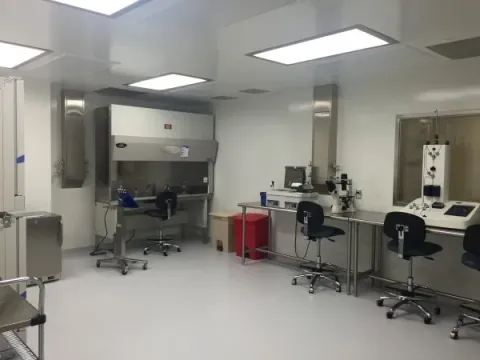
We have deep analytical control on all our labs and insist them to follow NABL guidelines.

Photo

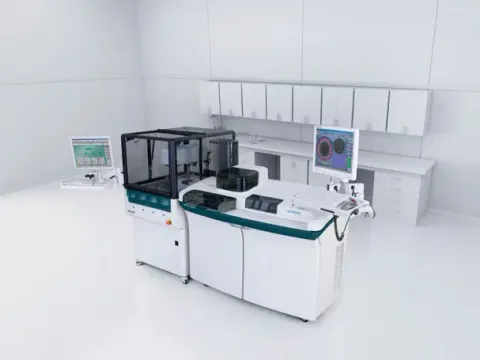
All of our labs are fully automated, equipped with internationally renowned machines.

Photo

We are at par with the medical tech-driven advances.

Photo

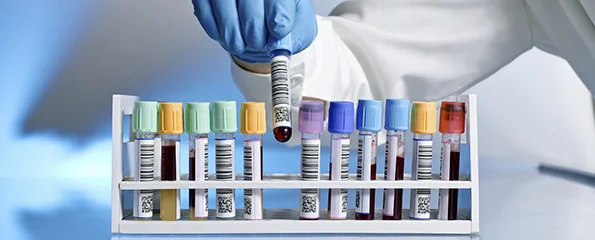
Our labs follow more than 150 international quality operating procedures for sampling.

Why Choose Us

Assured Safety
NABL & NABH Labs & Hospitals
Free Sample Pick
Accurate Reports