

Pregnancy Calculator
Track Due Date, Weeks, & Milestones
Pregnancy Week by Week
| Week | Date Range | Trimester | Important Milestones |
|---|
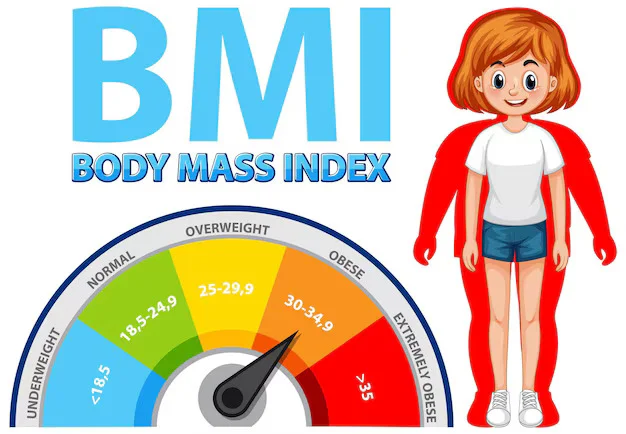




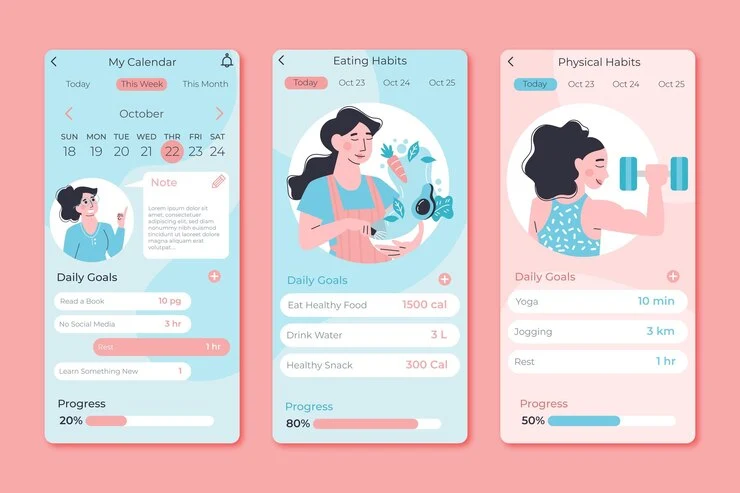


Understanding the timeline of pregnancy is crucial for every expectant mother. Knowing the due date, conception date, and weekly milestones helps in tracking the baby's growth and planning medical checkups. This article delves deep into how a Pregnancy Calculator works, its importance, and its various types. From Pregnancy Week Calculator to IVF Pregnancy Week By Week Calculator, we’ll explore it all, while also including helpful tables and charts for better understanding.
What is a Pregnancy Calculator?
A Pregnancy Calculator is a tool designed to estimate important milestones during pregnancy, such as the due date and weekly progress. It uses information like the first day of your last menstrual period (LMP) and, in some cases, the date of conception to calculate various pregnancy-related dates.
How Does a Pregnancy Calculator Work?
The most common method used by a Pregnancy Calculator is based on Naegele's Rule, which adds 280 days (or 40 weeks) to the first day of the last menstrual period. This method assumes a 28-day menstrual cycle.
Formula for Pregnancy Date Calculation:
Types of Pregnancy Calculators
- Pregnancy Estimator: A general tool to estimate your current stage in pregnancy and the due date.
- Pregnancy Week Calculator: This helps track your pregnancy progress week by week, showing important developmental milestones for both the baby and the mother.
- Due Date Calculator:Calculates the baby's due date based on your LMP or the conception date.
- IVF Pregnancy Week By Week Calculator:Designed for pregnancies conceived via in-vitro fertilization (IVF), this calculator uses the embryo transfer date to estimate milestones.
- Conception Date Calculator:Estimates the date of conception based on your LMP or due date.
Benefits of Using a Pregnancy Calculator
- Accurate Planning:Helps in scheduling prenatal appointments and preparing for delivery.
- Health Monitoring: Tracks important milestones for both mother and baby.
- Customized Advice:Offers week-by-week guidance tailored to your pregnancy stage.
- Peace of Mind:Reduces anxiety by providing clarity about the timeline.
Pregnancy Week By Week: What to Expect?
Here’s a detailed week-by-week chart outlining the milestones in pregnancy.
Below is an example of calories burned per hour for various activities based on body weight:
| Week | Baby’s Development | Mother’s Experience |
|---|---|---|
| 1-4 | Fertilization and implantation | Mild cramping, hormonal changes |
| 5-8 | Heartbeat and limb buds form | Morning sickness, fatigue |
| 9-12 | Fingers, toes, and facial features | Noticeable bump, increased energy levels |
| 13-16 | Gender differentiation starts | Reduced nausea, weight gain begins |
| 17-20 | Baby’s movements can be felt | Back pain, stretch marks appear |
| 21-24 | Lungs and digestive system develop | Increased appetite, Braxton Hicks contractions |
| 25-28 | Eyes open, and brain growth spikes | Shortness of breath, swollen feet |
| 29-32 | Baby gains fat and body hair sheds | Frequent urination, difficulty sleeping |
| 33-36 | Baby positions for birth | Intense Braxton Hicks, nesting instincts |
| 37-40 | Full-term and ready for delivery | Baby drops lower, labor signs may appear |
How to Use a Pregnancy Calculator?
Using a Pregnancy Date Calculator is simple and involves the following steps:
- Input LMP:Enter the first day of your last menstrual period.
- Select Cycle Length:Adjust for your average menstrual cycle length (e.g., 28 days).
- View Results:The calculator will provide your estimated due date, conception date, and current week of pregnancy.
For IVF pregnancies, you can enter the embryo transfer date instead of the LMP.
Importance of Tracking Pregnancy Milestones
Why Use a Pregnancy Month Calculator?
Breaking pregnancy into months provides a broader perspective, helping mothers prepare for trimester-specific changes.
The Role of a Delivery Day Calculator
By narrowing down the delivery day, expectant parents can make logistical and emotional preparations.
IVF Pregnancy Week By Week Calculator: A Unique Tool
For IVF pregnancies, the embryo transfer date becomes the starting point instead of the LMP. Here's how it works:
| Embryo Stage | Transfer Day | EDD Calculation |
|---|---|---|
| Fresh Embryo | Day 3 or Day 5 | Add 266 days to the retrieval/ovulation date |
| Frozen Embryo (FET) | Day 5 | Add 266 days to the transfer date |
FAQ'S
Conclusion
A Pregnancy Calculator is an invaluable tool for tracking and planning your pregnancy journey. Whether you're using a Maternity Due Date Calculator or a Pregnancy Chart Due Date, these tools provide clarity and reassurance during this special time. By understanding how these calculators work and using them effectively, you can ensure a smooth and well-prepared pregnancy journey.
Contact Info