

Pregnancy Weight Gain Calculator
Maternity Weight Gain Calculator | Pregnancy Weight Gain Chart
Result
Week: -
Recommended Range: -
Current Difference: -
Delivery Range: -
BMI Before Pregnancy: -
LowNormalHigh
Tips:
Please consult your healthcare provider for personalized advice.
Recommended Weight Range (Full Pregnancy)
| Week | Recommended Weight Range | Recommended Weight Gain |
|---|



Pregnancy is a transformative journey filled with physical, emotional, and lifestyle changes. Among these, understanding and managing weight gain during pregnancy is crucial for the health of both the mother and the baby. The Pregnancy Weight Gain Calculator serves as an invaluable tool, offering personalized insights into healthy weight gain goals based on individual circumstances. This article delves deep into the concept of pregnancy weight management, addressing frequently asked questions and providing useful charts for easy reference.
What is a Pregnancy Weight Gain Calculator?
A Pregnancy Weight Gain Calculator is a digital or manual tool designed to help expectant mothers monitor their weight throughout pregnancy. By considering factors such as pre-pregnancy weight, height, and body mass index (BMI), the calculator provides a tailored recommendation for healthy weight gain during pregnancy. The calculator also accounts for factors like the number of babies (single or multiple pregnancy) and stage of pregnancy.
Importance of Tracking Pregnancy Weight
Monitoring weight change during pregnancy ensures that both mother and baby remain healthy. Excessive or insufficient weight gain can lead to complications:
Risks of Excessive Weight Gain
Risks of Insufficient Weight Gain
Using tools like the Maternity Weight Gain Calculator provides a clear understanding of weight targets and reduces risks associated with abnormal weight gain patterns.
How Does the Pregnancy Weight Calculator Work?
The calculator uses the following inputs to provide accurate weight gain recommendations:
- Pre-Pregnancy Weight and Height: Helps determine the BMI category.
- Trimester: Indicates the stage of pregnancy and corresponding weight gain targets.
- Number of Fetuses: Adjusts recommendations for single or multiple pregnancies.
Using tools like the Maternity Weight Gain Calculator provides a clear understanding of weight targets and reduces risks associated with abnormal weight gain patterns.
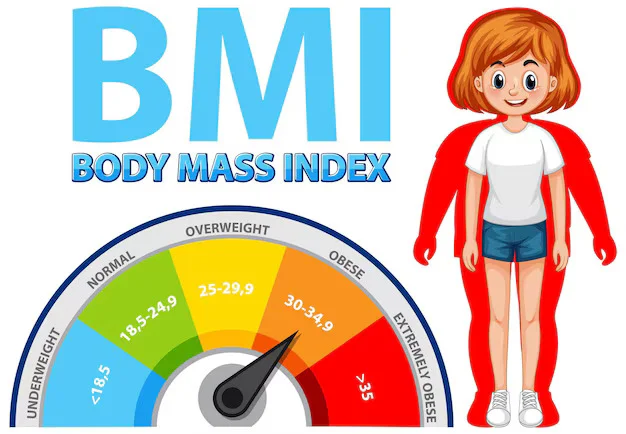
BMI Categories and Recommended Weight Gain
| Pre-Pregnancy BMI | Category | Recommended Weight Gain (Single Baby) | Recommended Weight Gain (Twins) |
|---|---|---|---|
| <18.5< /td> | Underweight | 28–40 lbs (12.5–18 kg) | 50–62 lbs (22.5–28 kg) |
| 18.5–24.9 | Normal weight | 25–35 lbs (11.5–16 kg) | 37–54 lbs (16.5–24.5 kg) |
| 25–29.9 | Overweight | 15–25 lbs (7–11.5 kg) | 31–50 lbs (14–22.5 kg) |
| ≥30 | Obese | 11–20 lbs (5–9 kg) | 25–42 lbs (11.5–19 kg) |
This table serves as a Pregnancy Weight Gain Chart for single and twin pregnancies.
Monthly Weight Gain During Pregnancy
On average, weight gain during pregnancy follows a trimester-specific pattern:
| Trimester | Average Monthly Weight Gain | Key Notes |
|---|---|---|
| First Trimester | 1–4 lbs (0.5–2 kg) | Nausea may limit weight gain in this phase. |
| Second Trimester | 1–2 lbs (0.5–1 kg) per week | Steady growth as the baby develops rapidly. |
| Third Trimester | 1–2 lbs (0.5–1 kg) per week | Weight gain slows as the pregnancy nears term. |
The Mother Pregnancy Weight Chart helps track progress monthly and ensures adherence to the recommended guidelines.
Factors Influencing Weight Gain in Pregnancy
1. Diet and Nutrition:Balanced meals rich in proteins, vitamins, and minerals promote healthy weight gain.
2. Physical Activity:Moderate exercises like walking and yoga contribute to a healthy pregnancy weight.
3. Hydration:Proper fluid intake aids in maintaining optimal amniotic fluid levels.
4. Genetics:Pre-existing genetic factors may influence weight gain patterns.
Healthy Weight Gain in Pregnancy: Tips and Tricks
1. Eat Nutrient-Dense Foods:Incorporate whole grains, lean proteins, fruits, and vegetables into daily meals.
2. Avoid Empty Calories:Limit intake of sugary drinks, fast foods, and processed snacks.
3. Monitor Portion Sizes:Overeating can lead to excessive weight gain. Use smaller plates to control portions.
4. Stay Active:Engage in low-impact activities to maintain strength and flexibility.
4. Regular Check-ups:Consult healthcare providers to track weight gain and address concerns.
FAQ'S
Conclusion
Understanding and managing weight gain with the help of a Pregnancy Weight Gain Calculator ensures a healthy journey for both mother and baby. Adopting a proactive approach through balanced nutrition, regular physical activity, and consistent monitoring of weight gain can mitigate risks and enhance overall well-being. For personalized insights, rely on tools like the Maternity Weight Gain Calculator and consult with healthcare professionals.
By adhering to these guidelines, you can enjoy a smooth and fulfilling pregnancy while keeping your health and your baby's development in focus.
Contact Info